
The Transformative Power of Education:
The Story of Bila Victor Guirma
In the late 1800s, a young boy named Bila Victor Guirma was born in the village of Guirgho, in West Africa. As the second-born son of the chief, Naba Quiliga, and the only child of his mother Poco, who tragically passed away giving birth to him, Bila's early life was shaped by both privilege and loss. While he received the loving care of his father's other wives, he was also destined for a traditional life within the village, a path that was unexpectedly altered by the arrival of French colonists and Catholic missionaries.
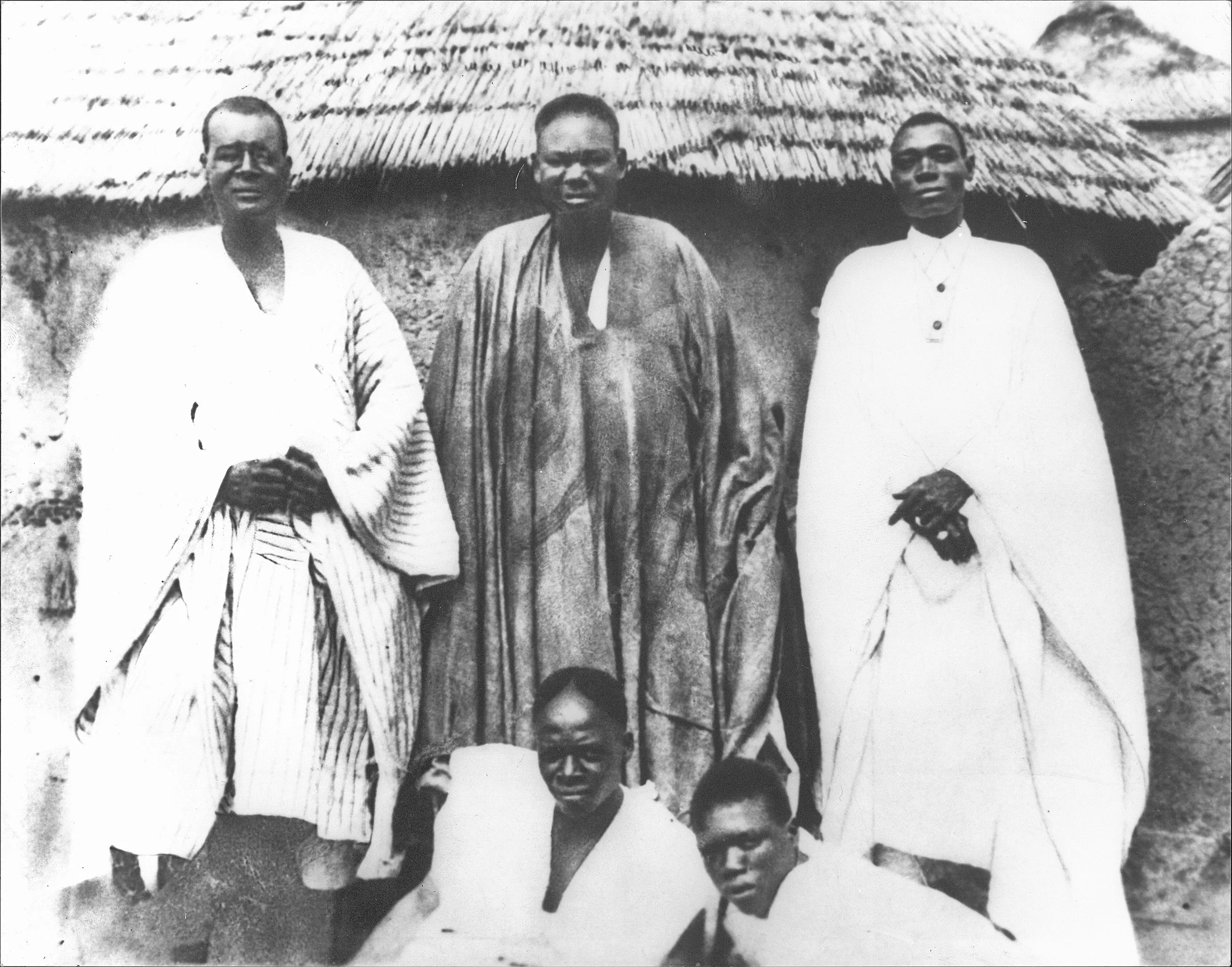
Left to right standing - Tibo, the Chief’s bother, Naba Quiliga, the Chief and Bila Victor
This marked a turning point in Bila’s life, setting him on an extraordinary journey that would challenge societal norms and redefine his destiny. The missionaries’ efforts to establish schools in the region were met with resistance from the local people, who were suspicious of Western influence. However, a decree from the Emperor Naba Wobogo, mandating that each chief send a son to school presented what at the time seemed like another cruel act of fate, on a boy who had lost his mother at childbirth. Because Bila was the second born son of the chief, it was decided by the elders that he would be the best sacrificial candidate to fulfill the emperors ‘ decree, since he did not have his birth mother to advocate and protect him. A very sad 13 year-old Bila was hogtied and carried off to the missionary school with the uncertainty of his return.
This marked the beginning of Bila's transformative journey through education.
Bila's experience at the missionary school proved to be transformative. He embraced education, learning to read and write, skills that were rare among Africans at that time. Although the colonial system prevented him from becoming a doctor, he pursued a career in healthcare, becoming one of the first nurses in the country working across the region before settling in Ouagadougou.
Bila's commitment to education didn't end with his own personal achievements. He recognized its power to uplift individuals and communities. He married his wife Helene, had a family, and instilled in his children the importance of learning. He ensured that all his 7 children, both boys and girls, received a modern education. He also encouraged his younger siblings in Guirgho to attend school.
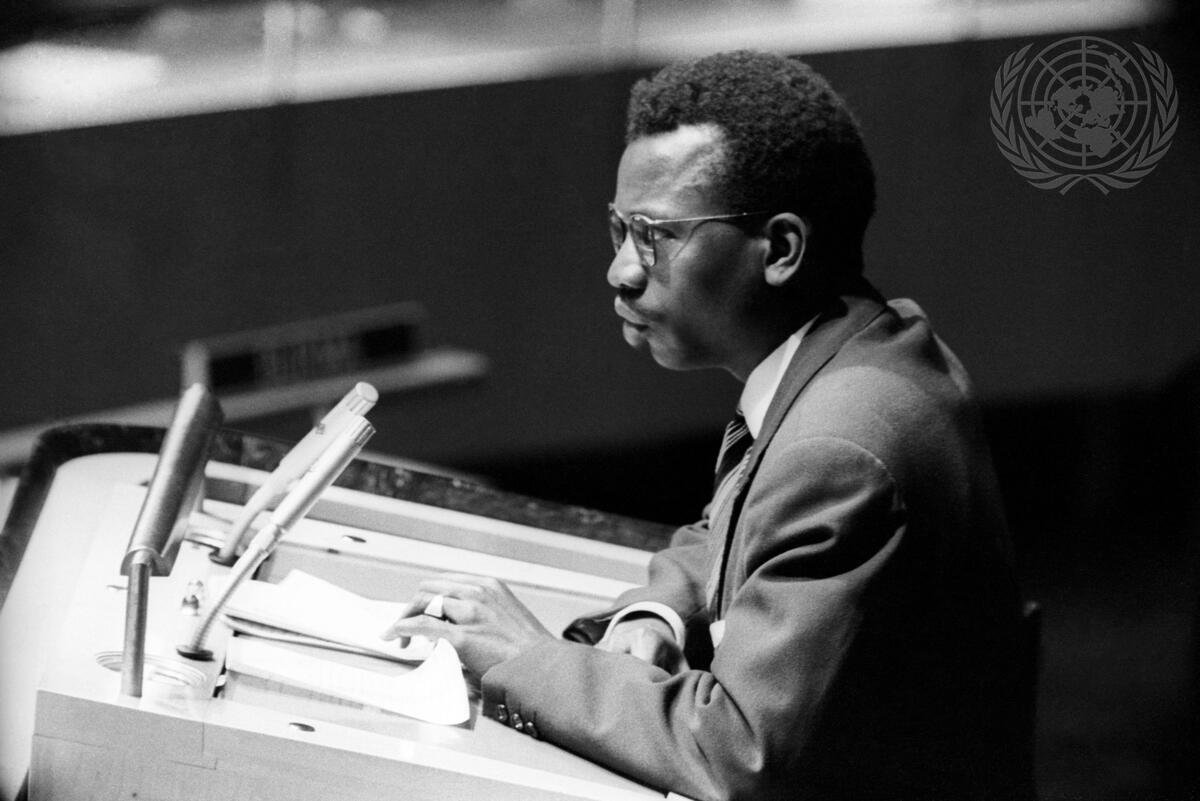
Bila Victor's story is a testament to the importance of education. It highlights how education can empower individuals, break down barriers, and create opportunities for future generations. His legacy continues to inspire initiatives like Friends of Guirgho, which seeks to provide educational opportunities for children in his native village. Bila's journey, from a village boy to the father of a nation's ambassador, underscores the profound impact that education can have on individuals, families, and communities.
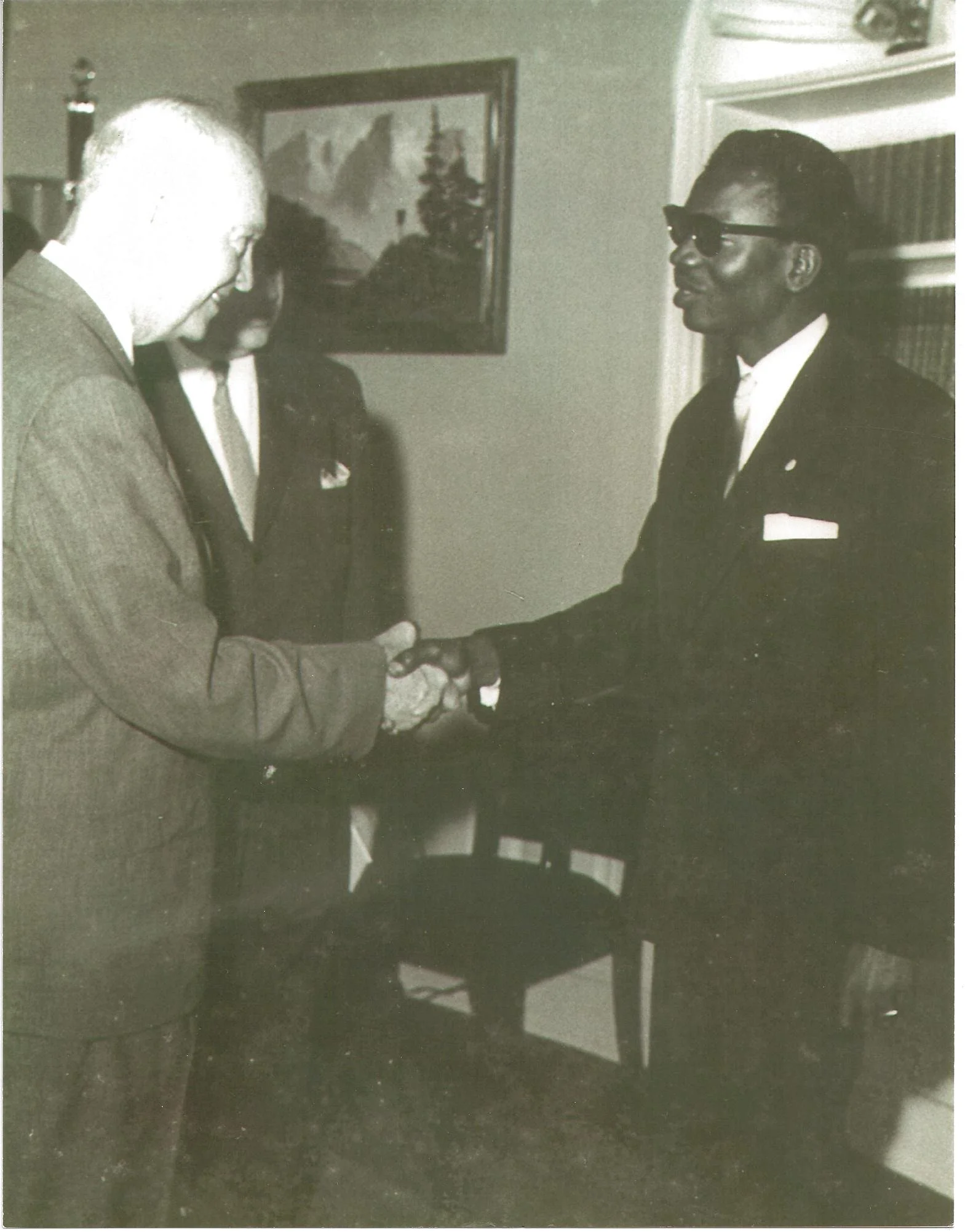
President Dwight "Ike" Eisenhower and Frederic Guirma.
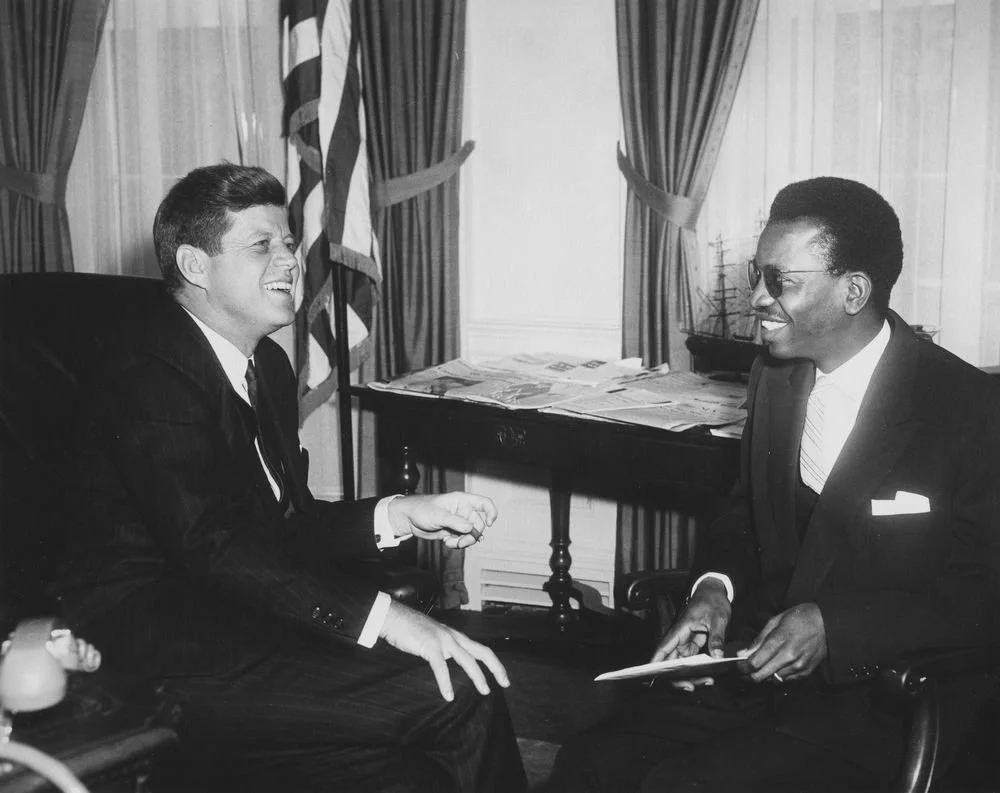
President John F. Kennedy and Frederic Guirma.
Bila's emphasis on education had a profound impact on his family's future. His son, Frederic Guirma, went on to become the first ambassador of newly-independent Upper Volta (later Burkina Faso) to the United States and the United Nations. This achievement was a direct result of Bila's unwavering belief in the transformative power of education.
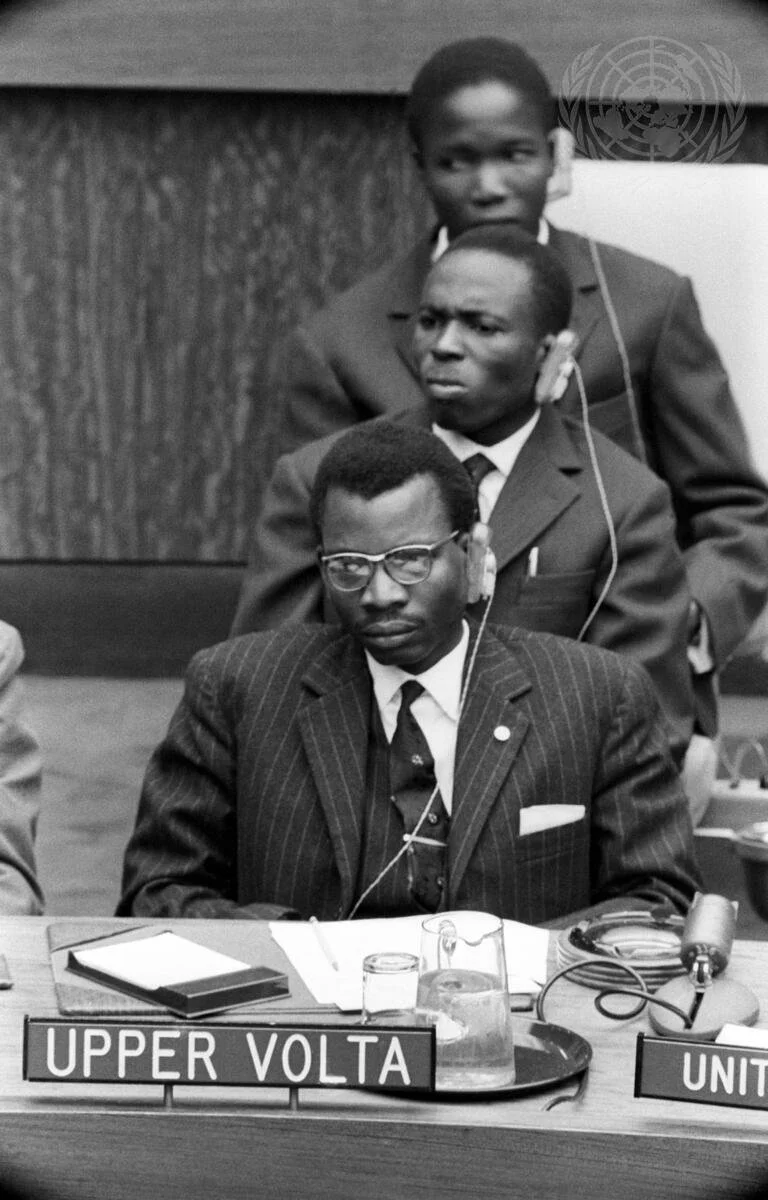
In just one generation, education has empowered a grandson of the village to take a seat at the table, contributing to global conversations alongside world leaders, proving that the potential for every child is unlimited.
Friends of Guirgho was founded by the grandchildren of Bila Victor Guirma and their friends in New Paltz, New York and Burkina Faso.